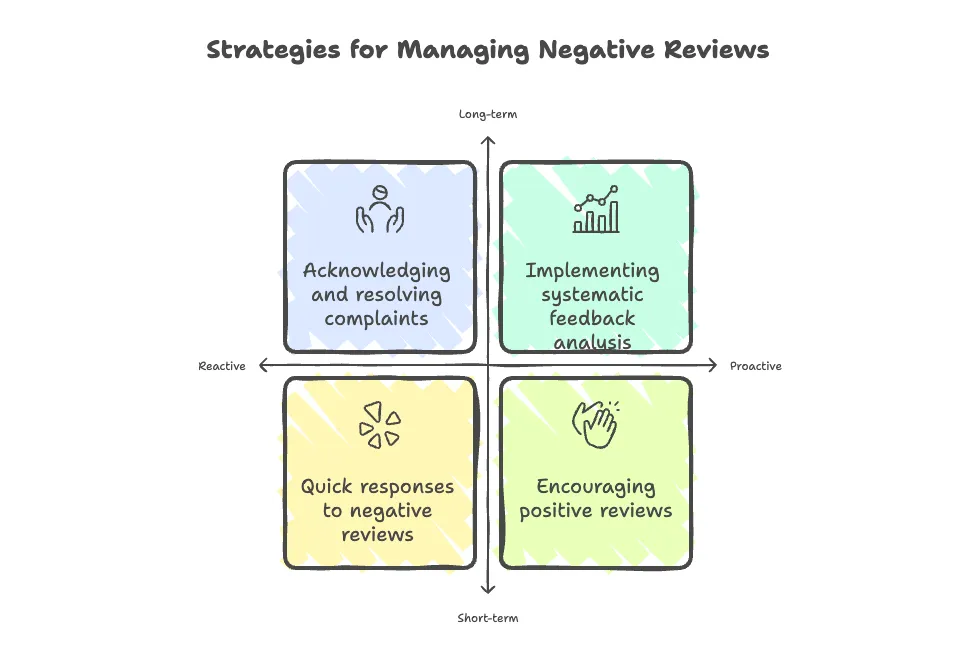
Easy Methods for Managing Negative Reviews and Enhancing Reputation
Negative reviews can feel like a setback, but they also offer valuable insights into what customers really think. They provide a chance to understand areas needing improvement and help businesses improve their offerings. Addressing negative feedback properly not only mends relationships but can also enhance the overall customer experience.
1. Understanding the Impact of Negative Reviews
Negative reviews might seem like a roadblock, but they offer a chance to gain insights into your business. These reviews often highlight areas needing attention, which can guide necessary improvements. It’s important to understand their influence, as they can significantly affect customer perceptions and your business's reputation.
A single negative review can make potential customers hesitate before choosing your services. When assessing products and services, most people trust online reviews. A pattern of negative feedback can lead to lost opportunities as customers turn to competitors with better ratings. This makes managing reviews crucial for maintaining trust and credibility.
Negative reviews affect more than just potential sales. They offer a candid view of customer experiences, reflecting not only one person's opinion but often a shared sentiment among other customers.
Addressing the impact of negative reviews involves monitoring them consistently. Set up alerts to see when reviews are posted immediately. This allows you to react quickly and resolve issues promptly.
2. Effectively to Criticism
How you respond to negative reviews says a lot about your business. A thoughtful, respectful reply can turn a critic into a loyal customer. Responding effectively requires a strategic approach, empathy, and a focus on resolution.
Acknowledge the Feedback
Start by acknowledging the reviewer's concerns. Let them know you appreciate their feedback. For instance, saying, "Thank you for your feedback, we're sorry to hear about your experience", shows you value their opinion and are willing to address their issues.
Stay Calm and Professional
Avoid getting defensive or arguing. A calm, professional response reflects well on your business and shows you handle criticism maturely. Remember, your response is public, and future customers will see how you engage with concerns.
Offer a Solution
Provide a solution or ask for more details to resolve the issue. Invite the customer to contact you directly to work things out. This can involve offering a refund, a replacement, or simply discussing how you plan to address their concerns moving forward.
Follow Through
Ensure you follow up on the promises made in your response. If you promised to investigate a shipment issue, do it. Following through builds trust and shows your commitment to improving customer experiences.
3. Leveraging Feedback for Improvement
Negative reviews can be a valuable resource for making meaningful changes that enhance customer satisfaction. By viewing them not just as criticisms but as constructive feedback, businesses can turn them into opportunities for growth and improvement.
Identify Common Issues
Start by looking for patterns in the feedback. Are there repeated concerns about a particular product, service, or aspect of your business? Identifying these common issues provides a starting point for implementing changes that can significantly improve the customer experience.
Prioritise Changes
Once you identify key areas for improvement, list them in order of priority. Focus on the changes that will have the biggest impact first. This might involve adjusting a policy, redesigning a part of your product, or providing additional staff training. Making these changes promptly shows customers you're responsive and committed to ongoing improvement.
Communicate Changes
Let your customers know about the improvements you’re making as a result of their feedback. Share updates on your website, social media, or in response to specific reviews. This transparency boosts trust and encourages more feedback, building a stronger relationship with your customer base.
Monitor Customer Responses
After implementing changes, keep an eye on new reviews and customer comments. This will help you gauge whether the improvements have resolved the issues. Continuous monitoring and adjusting will keep your business on a path of constant improvement, ultimately leading to happier customers.
4. Building a Positive Online Presence
Creating a positive online presence is crucial for maintaining a good reputation and counteracting the effects of negative reviews. A strong reputation not only attracts new customers but also encourages loyal relationships with existing ones.
Encourage Positive Reviews
To build up a robust collection of reviews, encourage satisfied customers to share their positive experiences. You can do this by sending a follow-up email after a purchase, including links to review platforms, or offering small incentives like discounts for completed reviews. More positive reviews will balance out the occasional negative feedback and improve your rating.
Be Consistent Across Platforms
Make sure your branding and messaging are consistent across all online platforms. Whether it’s your website, social media profiles, or review sites, consistency helps strengthen your identity and makes your business more recognisable to customers. This unified presence reassures customers of your professionalism and reliability.
Engage with Customers
Actively engage with your audience through social media and other online platforms. Promptly respond to comments, whether positive or negative and engage in conversations about your industry or products. This interaction humanises your brand and fosters a community around your business.
Share Success Stories
Highlight positive testimonials and success stories on your social media and website. Sharing real-life customer experiences demonstrates your value and helps potential new customers relate to your business. These stories serve as powerful endorsements and enhance your credibility.
Conclusion
Managing negative reviews effectively strengthens your online reputation and fosters long-term customer trust. By understanding their impact, responding thoughtfully, using feedback constructively, and building a positive presence, you can transform challenges into opportunities. This proactive approach ensures your business stands out in a competitive market, attracting and retaining satisfied customers.
Ready to enhance your online reputation and drive growth? Let Pancake Pixels assist you with our all-in-one marketing solution for all your online needs. From SEO to managing reviews, we help you turn challenges into success stories. Reach out to us today and start improving your business.
